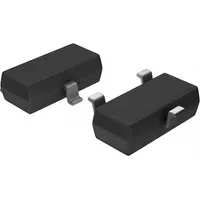
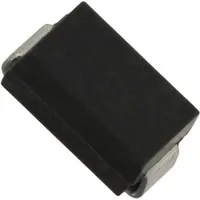
SS14 Vishay Intertechnology
-
ManufacturerVishay Intertechnology
-
Mfg Part NumberSS14
-
In StockNo Quantity Available
-
Lifecycle StatusDiscontinued
Request Quote
Description
We pick, pack, and dispatch all orders within 24-48 hours from order confirmation. Some parts may require additional testing to ensure the highest degree of quality.
| Maximum Non Repetitive Peak Forward Current: | 40 A |
| No. of Phases: | 1 |
| Maximum Forward Voltage (VF): | .5 V |
| Technology: | SCHOTTKY |
| Config: | SINGLE |
| Diode Type: | RECTIFIER DIODE |
| No. of Elements: | 1 |
| Maximum Output Current: | 1 A |
| Maximum Repetitive Peak Reverse Voltage: | 40 V |
| Maximum Operating Temperature: | 125 Cel |
| Sub-Category: | Rectifier Diodes |
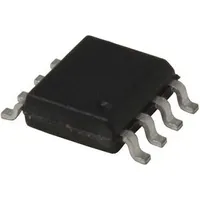
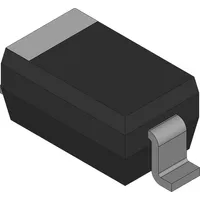
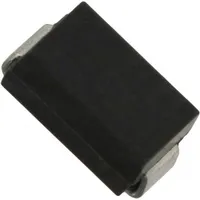
| Surface Mount: | YES |
Config: SINGLE
SINGLE configuration makes it easy to use and integrate in various circuits.
Surface Mount: YES
Surface mount feature allows for easy and secure soldering onto PCBs, saving space and enabling lower profile designs.
Maximum Operating Temperature: 125 °C
Operating at a maximum temperature of 125°C ensures reliability and stability in a wide range of operating conditions.
Diode Type: RECTIFIER DIODE
Being a rectifier diode means it is specifically designed for converting alternating current (AC) to direct current (DC) efficiently.
Maximum Forward Voltage (VF): 0.5 V
Low forward voltage drop of 0.5V ensures minimal power loss and efficient operation.
Maximum Output Current: 1 A
With a maximum output current of 1A, this product is suitable for a variety of low to moderate power applications.
Technology: SCHOTTKY
Schottky technology provides fast switching speed and low forward voltage drop, making it ideal for high frequency applications.
Maximum Repetitive Peak Reverse Voltage: 40 V
With a maximum reverse voltage of 40V, this diode can handle a wide range of voltage fluctuations without breakdown.
Maximum Non Repetitive Peak Forward Current: 40 A
The high non-repetitive peak forward current rating of 40A allows for momentary surges in current without damaging the diode.